
Introduction
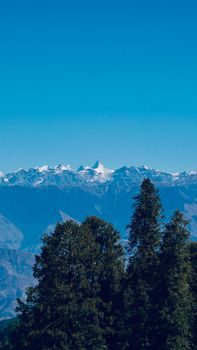
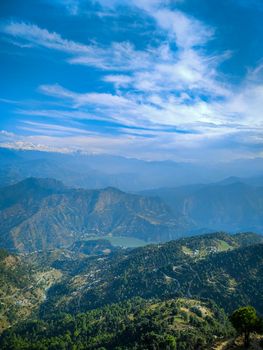
Nestled amidst the verdant hills of Himachal Pradesh, Chamba is a hidden gem that offers an enchanting blend of scenic beauty, rich culture, and historical significance. Famous for its stunning landscapes and diverse flora and fauna, this quaint town is an ideal getaway for nature lovers and historians alike. As travelers plan their visit, it becomes crucial to know the best time to explore this captivating destination. In this post, we delve into the optimal seasons to visit Chamba, helping you make the most out of your journey.
Best Time to Visit
The best time to visit Chamba primarily depends on the experiences you are seeking. Typically, the ideal seasons span from March to June and September to November. Below are detailed insights into these seasons:
Spring (March to April)
As winter thaws, Chamba transforms into a colorful paradise during spring. The pleasant weather and blooming flowers make it a great time to explore the vast landscapes. Temperatures range from 10°C to 25°C, providing a comfortable backdrop for trekking, sightseeing, and cultural exploration. Major festivals such as the Chaitra Parashar Mela take place, showcasing local culture and traditions.
Summer (May to June)
Summer is peak tourist season in Chamba. With temperatures hovering between 20°C to 30°C, the weather remains pleasant for outdoor activities. The lush greenery is at its finest, making it perfect for photography enthusiasts. This is an ideal time to visit the famous Khajjiar, often referred to as ‘Mini Switzerland,’ and indulge in various adventure sports like paragliding and nature walks.
Autumn (September to November)
Post-monsoon, autumn presents a serene atmosphere in Chamba. The skies clear up, and the weather remains crisp and cool with temperatures ranging from 10°C to 20°C. The enchanting views of the Dhauladhar range are breathtaking. Autumn is also when the local harvest festivals, like the Chamba Rumal, take center stage, giving travelers a taste of local artistry and craftsmanship.
Winter (December to February)
While winter can be quite chilly with temperatures dipping to -5°C or lower, it offers a unique charm to Chamba. If you are a fan of snow, this season is perfect. Although travel may be challenging due to heavy snowfall, the serene white landscapes and quieter tourist spots provide a peaceful retreat. It’s a great time for those seeking adventure sports like skiing at Khajjiar and enjoying the tranquility of nature.
Top Attractions
- Chamba Fort: This historic fort offers panoramic views of the valley and houses various artifacts confirming the region’s rich history.
- Bhuri Singh Museum: A must-visit for art lovers, this museum showcases local art, artifacts, and the diverse history of Chamba.
- Khajjiar: Known as the ‘Mini Switzerland of India,’ this hill station is famed for its lush meadows, dense pine forests, and adventure sports.
- Chogan: This vast ground hosts local fairs and festivals, providing visitors with a glimpse into the vibrant culture of Chamba.
- Laxmi Narayan Temple: This ancient temple, built in the 10th century, is a classic example of the intricate architecture prevalent in the region.
- Dal Lake: A serene getaway, surrounded by deodar trees, perfect for picnics and scenic walks.
Best Local Food
- Dham: A traditional festive dish made of rice, lentils, and a variety of curries served on large leaf plates—no visit to Chamba is complete without trying this.
- Sidu: A local bread made from wheat flour, usually served with ghee or meat dishes—it’s a delightful treat!
- Chamba Chukh: A spicy chutney made from tamarind and green chilies that adds flavor to local meals.
- Kullu Trout: Freshwater fish cooked in traditional herbs and spices, ideal for seafood lovers.
- Patande: Sweet pancakes made from rice flour, often served with honey, making a perfect local dessert.
Local Shopping Tips
- Chamba Rumals: These hand-embroidered cloths are famous for their intricate designs and make for exquisite souvenirs.
- Wooden Handicrafts: Look for beautifully carved wooden items such as masks, figurines, and household decor, which reflect local artistry.
- Traditional Jewelry: Unique silver jewelry woven with local motifs is not only beautiful but also tells the stories of Chamba’s rich heritage.
- Woolens: Purchase warm, locally made woolen clothes, perfect for the chilly winters or to take home as gifts.
- Local Spices and Condiments: Don’t forget to grab some local spices and chutneys to bring a taste of Chamba back to your kitchen.
Travel Tips
To make the most of your trip to Chamba, consider the following pointers:
- Pack According to Season: Depending on your travel dates, ensure you have appropriate clothing. Summers may require light clothes, while winters necessitate heavy woolens.
- Local Transport: The town is well-connected by local buses and taxis. Consider hiring a local guide for a detailed tour and deeper insights into the culture.
- Stay Hydrated: The hilly terrain can be tiring. Always carry water and stay hydrated, especially if you’re going trekking.
- Respect Local Customs: Chamba has a rich culture; be polite and respectful regarding local traditions and practices.
- Book in Advance: As Chamba is popular during peak seasons, book your accommodations and activities in advance to avoid disappointment.
With its breathtaking landscapes, rich history, and warm hospitality, visiting Chamba can be a unique and fulfilling experience. Be it the rich tapestry of local culture, the stunning natural beauty, or the scrumptious food, you are sure to fall in love with this enchanting town. So pack your bags and get ready to explore the best of Chamba, Himachal Pradesh!
