
Introduction
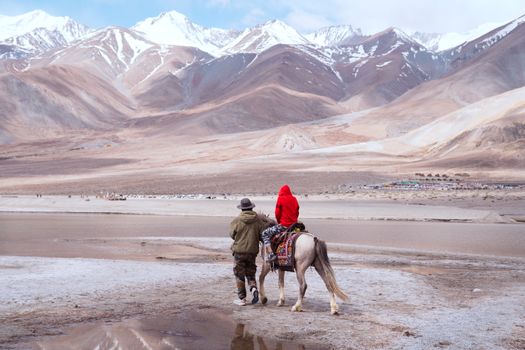
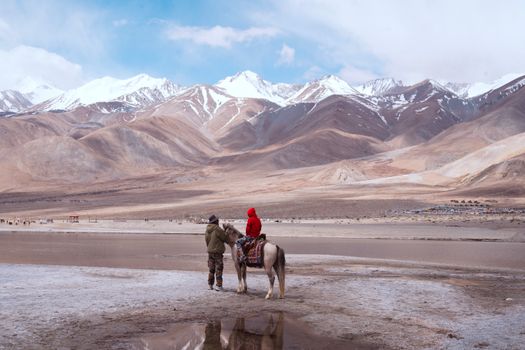
Ladakh, a captivating region nestled in the northern Indian state of Jammu & Kashmir, is a land of breathtaking landscapes, rich cultural heritage, and profound spirituality. Known as the “Land of High Passes,” Ladakh is famous for its stunning mountains, serene monasteries, and vibrant local culture. When planning a trip to this mesmerizing region, understanding the best time to visit is crucial, as the seasons dramatically alter the experience you’ll have. Whether you’re hoping to trek through arid deserts, soak in the warm sun by pristine lakes, or explore bustling local markets, each time of year offers its unique charm.
Best Time to Visit
The best time to visit Ladakh primarily depends on your interests and what you wish to explore. Generally, the ideal months to experience the region’s beauty are from May to September. Here’s a breakdown of what each season brings:
- Summer (May to September):
- Monsoon (July to August):
- Autumn (September to October):
- Winter (November to April):
This is the most popular time to visit Ladakh, as the weather is pleasantly warm, making outdoor activities like trekking and sightseeing enjoyable. The roads are open, and all tourist attractions are easily accessible. The stunning landscapes are vibrant, with blooming flowers enhancing the already breathtaking views.
While Ladakh is shielded from heavy monsoon rains, the occasional downpour may occur. Despite this, this period offers unique scenery with lush green valleys and gushing rivers. However, landslides in certain areas can be a concern, and some treks may be temporarily closed.
Autumn presents a beautiful transition with clear skies and a crisp atmosphere. The landscapes shift to shades of gold and brown, creating a photographer’s delight. This is also the time for local festivals, offering a glimpse into Ladakhi culture and traditions.
Winter transforms Ladakh into a snowy wonderland, attracting adventure seekers for activities like skiing and snow trekking. However, extreme cold does limit accessibility, as many routes remain closed, and only limited accommodations operate. If you’re a fan of quiet, snowy landscapes and solitude, winter can be enchanting.
How to Reach
- By Air: The easiest way to reach Ladakh is by taking a flight to Leh Airport, which is well-connected to major Indian cities like Delhi, Mumbai, and Srinagar. The scenic flight itself offers stunning views of the Himalayan ranges.
- By Road: For the adventurous, several routes connect Ladakh to other parts of India. The Manali-Leh route opens up in late May and stays accessible until October, offering breathtaking scenery along the way. The Srinagar-Leh road is another option, typically opening around late April.
- By Train: The nearest railway station is Jammu Tawi; from there, you can take a taxi or a bus to Leh. However, this journey involves significant overland travel and takes time.
Best Hotels Offering Value for Money
- The Grand Dragon Hotel: Located in Leh, it offers a blend of traditional architecture and modern comfort, making it a great base for exploring the region.
- Hotel Hilltown: Situated in the heart of Leh, this hotel is budget-friendly while providing basic yet comfortable amenities.
- Hotel Chamba Camp: For those who wish to experience glamping amidst nature, this tented camp combines luxury with stunning surroundings.
- Gomang Boutique Hotel: This boutique hotel offers cozy rooms with beautiful views of the mountains, along with a delicious breakfast.
Top Attractions
- Pangong Lake: A stunning high-altitude lake that changes colors throughout the day, Pangong is a must-visit for nature lovers.
- Shanti Stupa: This magnificent structure not only serves as a peace monument but also offers panoramic views of Leh and the surrounding mountains.
- Thiksey Monastery: Known for its resemblance to the Potala Palace in Lhasa, this monastery is a significant cultural and spiritual site.
- Nubra Valley: Accessible via the Leh-Khardung La pass, Nubra is famous for its sand dunes and double-humped camels, offering a unique desert experience in the Himalayas.
Activities for Kids (4-8 years)
- Visit to Nubra Valley: The children will be thrilled to ride on traditional double-humped camels, a rare sight in this region.
- Explore Leh Palace: The ruins of the palace provide a fantastic backdrop for imaginations, where kids can learn about the region’s rich history.
- Pangong Lake Picnic: Family picnics along the shores of this beautiful lake can be both relaxing and a fun outdoor activity for kids and parents alike.
- Craft Workshops: Participating in local craftsmanship, like making traditional ‘pattu’ shawls, allows the kids to engage with the local culture hands-on.
Best Local Food
- Thukpa: A delightfully warm noodle soup, perfect for the chilly evenings. You can find different varieties, including vegetarian and meat-based options.
- Moments: These Tibetan dumplings stuffed with meat or vegetables are popular and provide a taste of local cuisine.
- Chutagi: A traditional Ladakhi pasta dish typically served as a comforting meal, especially on chilly days.
- Butter Tea: This unique beverage is a staple in Ladakhi homes and offers a rich, creamy flavor that’s perfect to keep warm.
Local Shopping Tips
- Visit the Leh Market: This bustling market is filled with stalls selling local handicrafts, woolen garments, and jewelry—perfect for picking up unique souvenirs.
- Shop for Pattu and Shawls: Handwoven wool and pattu shawls make for exquisite gifts and warm clothing during your trip.
- Buddhist Artifacts: Look for prayer wheels, thangkas, and other vibrant religious artifacts that reflect the rich spiritual culture of the region.
- Ask Locals for Recommendations: Engaging with local artisans can provide insights into authentic products and bargaining tips.
Travel Tips
When traveling to Ladakh, a few key tips can enhance your experience:
- Always carry your ID and permits; some areas require special permissions.
- Consider acclimatization time upon arrival due to the high altitude. Take it easy for the first couple of days to adapt.
- Be prepared for fluctuating weather conditions, so pack layers of clothing.
- Stay hydrated and try to drink plenty of water to combat altitude sickness.
- Respect local customs and traditions, especially at religious sites.
