
Introduction
Srinagar, the summer capital of Jammu and Kashmir, is often described as paradise on Earth. The mesmerizing beauty of its snow-capped mountains, lush green valleys, and pristine lakes draws travelers from around the globe. However, the experience varies significantly across different seasons, making the timing of your visit crucial. Understanding the best time to visit Srinagar can enhance your adventure, allowing you to enjoy its natural splendor and cultural richness to the fullest.
Best Time to Visit
The best time to visit Srinagar largely depends on what you wish to experience. Here’s a breakdown of the seasons, along with their unique offerings:
Spring (March to May)
Spring is arguably one of the finest times to witness Srinagar’s floral bloom. As the snow melts, the gardens come alive with a riot of colors. The famous Tulip Festival usually takes place in April at the Indira Gandhi Memorial Tulip Garden, showcasing thousands of tulips in full bloom. The weather is pleasant, warm, and perfect for sightseeing, making it a favorite among travelers.
Summer (June to August)
Summer in Srinagar can be delightfully cool compared to other parts of India. This season sees the influx of tourists escaping the heat of the plains. The average temperature hovers around 25°C, ideal for enjoying boat rides on Dal Lake or exploring the local markets. However, occasional rain showers may occur, so it’s wise to carry an umbrella.
Autumn (September to November)
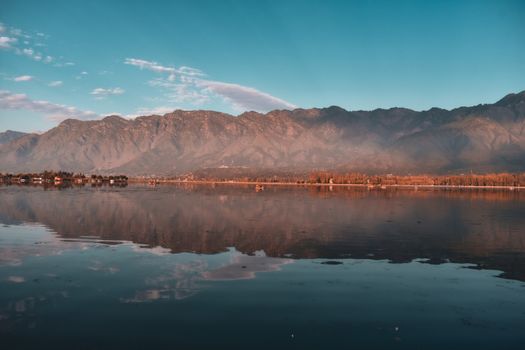
Autumn is the time when the leaves change color, painting the landscape in shades of orange and yellow. The weather during autumn is crisp and cool, with temperatures ranging from 10°C to 20°C. It’s also a great time for photography as the majestic Himalayan ranges are visible in their full glory. Additionally, the local harvest season can add a cultural richness to your experience.
Winter (December to February)
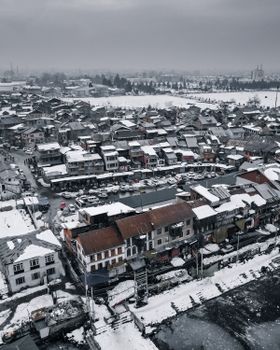
Winter transforms Srinagar into a white wonderland. The snow-covered landscapes attract those who enjoy winter sports, particularly skiing in nearby Gulmarg. While temperatures can plummet to sub-zero, cozying up in a traditional houseboat while sipping Kahwa (a local tea) is an experience that winter visitors cherish. Festivals like Christmas and Hanukkah add a special charm to the city’s winter ambiance.
How to Reach
- By Air: Srinagar International Airport connects the city with major Indian cities like Delhi, Mumbai, and Bangalore. Regular flights operate, making air travel a convenient option.
- By Train: Jammu Tawi Railway Station is the nearest railway station, located about 270 km from Srinagar. From there, you can take a taxi or bus to reach the city.
- By Road: Srinagar is well-connected by road. Traveling via National Highway 44 offers a scenic drive through breathtaking landscapes. Buses and taxis are readily available from Delhi and other nearby cities.
Best Hotels Offering Value for Money
- Hotel Hilltop: Nestled in the hills, this hotel offers stunning views of the Dal Lake and is known for its warm hospitality and comfort.
- Grand Mumtaz Resorts: Located conveniently near the city center, this hotel provides excellent amenities and is popular among family travelers.
- Darveysheh Houseboat: Experience the iconic houseboat stay with all the luxurious touches, right on the tranquil waters of Dal Lake.
- Hotel Grand Mahal: Affording elegant decor within a wallet-friendly price range, this hotel guarantees a comfortable stay for all travelers.
Top Attractions
- Dal Lake: Famous for its houseboats and Shikara rides, Dal Lake is the hallmark of Srinagar’s beauty.
- Shankaracharya Temple: Situated on Shankaracharya Hill, it offers panoramic views of the city and is an important Hindu pilgrimage site.
- Nishat Bagh: One of the largest Mughal gardens in the area, this garden boasts mesmerizing views of the mountains and Dal Lake.
- Hazratbal Shrine: A revered Muslim shrine that houses a relic believed to be a hair of the Islamic prophet Muhammad.
- Jama Masjid: This beautiful mosque in the heart of the old city is famed for its stunning Indo-Saracenic architecture.
Activities for Kids (4-8 years)
- Shikara Ride: Kids will love a ride in a Shikara, gliding over the tranquil waters of Dal Lake while enjoying the scenic views.
- Visit to Mughal Gardens: The expansive spaces and various flower species will thrill kids as they run and explore.
- Exploring Local Markets: Allow them to interact with local vendors and pick out souvenirs while soaking in cultural experiences.
- Bird Watching: As a rich habitat for various bird species, kids will enjoy spotting different birds in places like Harwan Gardens.
Best Local Food
- Rogan Josh: This aromatic lamb dish is a staple of Kashmiri cuisine and a must-try for any food enthusiast.
- Yakhni: A creamy yogurt-based mutton curry that’s both delicious and comforting.
- Gushtaba: A delightful meatball curry that’s often served at feasts and celebrations.
- Kahwa: A flavorful saffron-infused tea, perfect for warming up during the cold months.
- Paneer Butter Masala: A favorite vegetarian dish that showcases local cheese in a rich tomato gravy.
Local Shopping Tips
- Buy Pashmina Shawls: While shopping in Srinagar, don’t miss out on Pashmina shawls, known worldwide for their softness and warmth.
- Saffron and Spices: Consider purchasing Kashmiri saffron, an ingredient prized for its flavor and color, as well as local spices.
- Handcrafted Wooden Art: The region is known for exquisite woodwork; look for intricately carved items that make for unique souvenirs.
- Traditional Kashmiri Carpets: These carpets are beautiful and handcrafted, representing a significant part of local craftsmanship.
Travel Tips
When visiting Srinagar, it’s crucial to equip yourself with essential travel advice to enhance your experience:
Always check the weather before your trip, and pack accordingly. Ensure your travel documents are in order, especially if you’re planning to visit specific regions. Learning a few basic phrases in Urdu or Kashmiri can be very helpful when interacting with locals. Respect local customs and traditions, especially when visiting religious sites. Finally, it’s advisable to keep local cash handy, as not all places accept credit cards.
